5 Genius Closet Organizers That Make Small Spaces Work
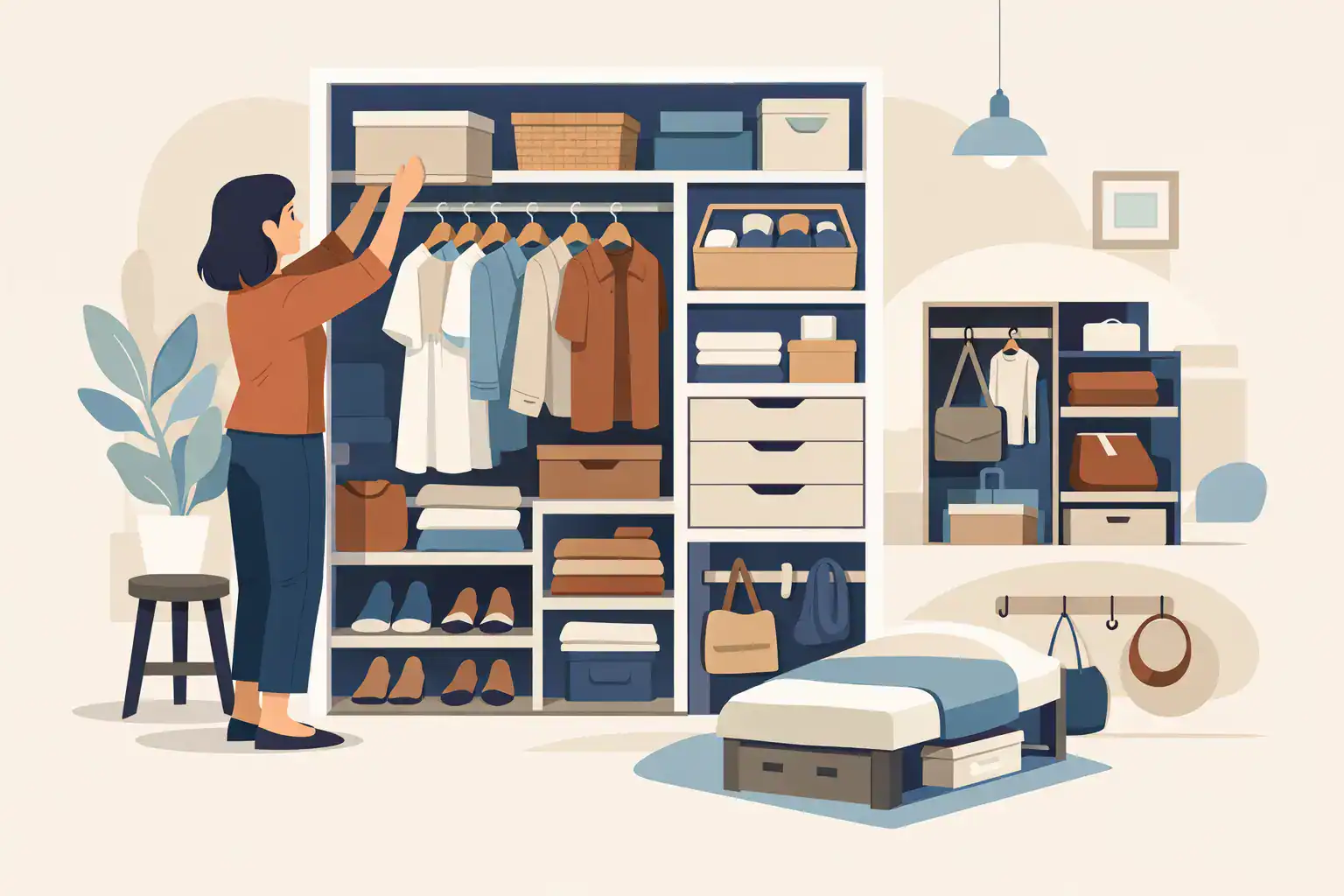
A closet can look full even when it is not actually storing much well. Shirts get buried behind bulky sweaters, shoes collect in a messy pile, and the one item you need before work somehow disappears. The right closet organizers do not create a picture-perfect closet for one afternoon. They make the things you use easiest to see, reach, and put away.
That distinction matters. A complicated system with too many matching bins can become another chore to maintain. A practical setup works with your closet’s actual limits, your daily routine, and the amount of stuff you realistically need to keep. Whether you are dealing with a shallow apartment closet, a shared family closet, or one overstuffed reach-in, the goal is simple: make the space function better without turning it into a renovation project.
This post contains affiliate links. As an Amazon Associate, I earn from qualifying purchases at no extra cost to you. See our full disclosure here.
| Product | Best For | Shop |
|---|---|---|
| STORAGE MANIAC Adjustable Closet Rod | Doubling Hanging Space | Check Price |
| StorageWorks 6-Shelf Hanging Organizer | No-Install Shelving | Check Price |
| SIMPDIY Clear Shoe Storage Boxes | Shoe Storage | Check Price |
| YIHONG Clear Storage Bins w/ Handle | Upper Shelf Storage | Check Price |
| Consevisen Acrylic Shelf Dividers | Folded Clothes | Check Price |
Start With the Closet You Actually Have
Before buying storage products, take a quick inventory of the closet itself. Measure the width of the rod, the depth from the door to the back wall, the height beneath hanging clothes, and any awkward areas around shelves or doors. Those numbers prevent a common frustration: bringing home an organizer that technically fits but blocks a drawer, drags on the floor, or leaves no room to hang a coat.
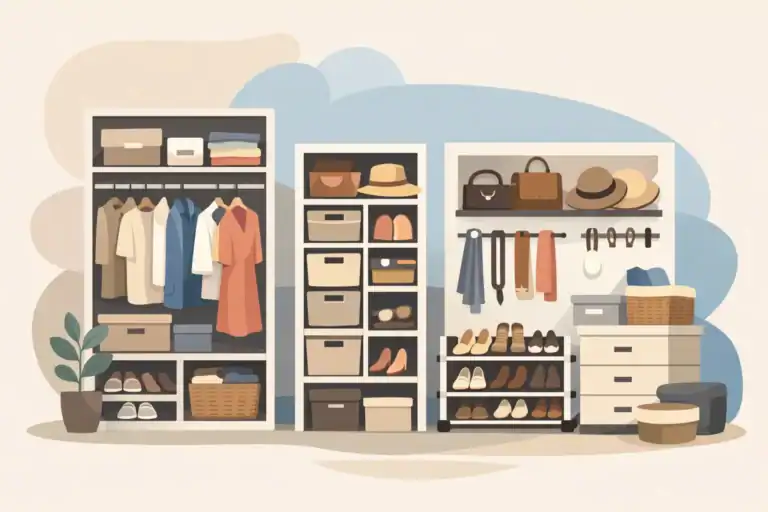
Then look at what the closet needs to hold. A closet for office clothes needs a different setup than one used for kids’ school clothes, linens, cleaning supplies, or a mix of everything. Count the categories that regularly cause trouble. For many people, the real problem is not lack of storage. It is that shoes, folded items, accessories, and long hanging clothes are all competing for the same few feet.
It also helps to be honest about your habits. If you fold laundry right away, shelf dividers and open bins may work beautifully. If clean clothes tend to wait in a basket for a few days, leave room for that basket instead of designing a system that assumes a routine you do not have. Organization should reduce friction, not depend on perfection.
Closet Organizers Worth Prioritizing
When a closet feels chaotic, it is tempting to buy a little of everything. Start with the organizer that solves the biggest daily annoyance first. Often, one well-chosen addition makes more difference than a cart full of small accessories.
Add a second hanging level when possible
Most reach-in closets waste a large open area below short hanging clothes. If you mainly hang shirts, skirts, folded pants, or kids’ clothing, a double-hang rod can nearly double usable hanging space. Keep one section for shorter items and reserve another for dresses, coats, or long garments.
This is not the best choice for every closet. If nearly everything you own is long, or if the closet rod is already crowded with bulky jackets, adding a lower bar can make access worse. In that case, focus on improving shelf space and the floor instead.
Use hanging shelves for flexible storage
Fabric hanging shelves are a simple answer for closets without built-in shelving. They work well for sweaters, jeans, handbags, workout clothes, and clothes that do not need a hanger. They are especially useful in dorms, rentals, and older homes where installing permanent shelves is not an option.
The trade-off is weight. A hanging shelf organizer can sag when loaded with heavy denim, stacks of books, or too many thick sweaters. Use it for lighter folded categories, and avoid overfilling each cubby. If the organizer has no rigid shelf inserts, keep the heaviest items lower down.
Give shoes a defined home
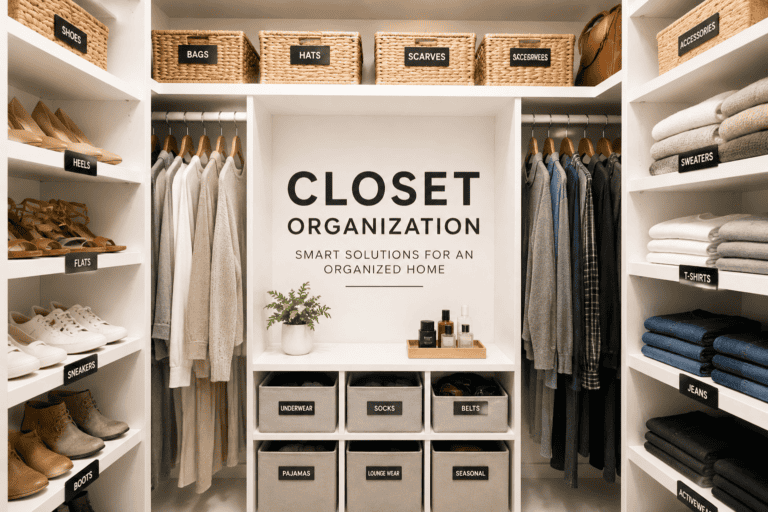
Shoes are often the first category to turn an organized closet into a pile. A low shoe rack, clear stackable shoe boxes, an over-the-door shoe organizer, or simple open cubbies can all work. The best option depends on what you wear most.
Open racks make everyday sneakers and flats easy to grab. Clear boxes protect special shoes and make pairs visible, but they take more time to open and restack. Over-the-door pockets are helpful for sandals, kids’ shoes, and accessories, though they may not fit tall boots or larger men’s shoes. Choose based on access, not just looks.
Make upper shelves easier to use
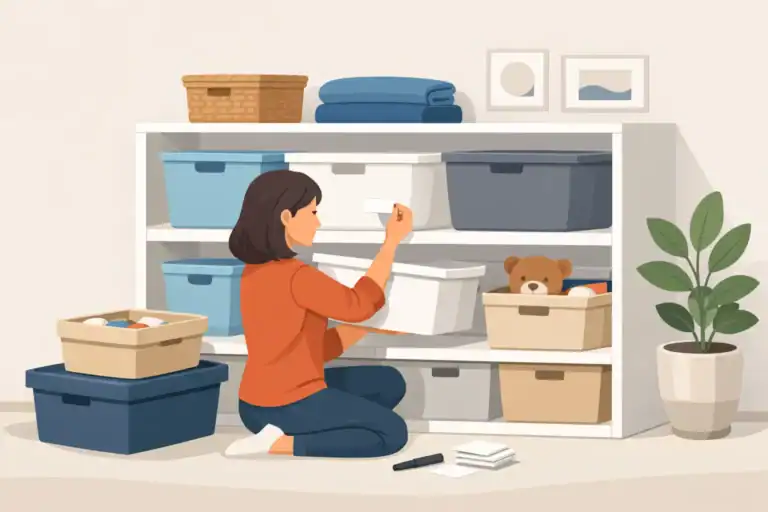
That high shelf above the closet rod is valuable storage, but only if you can tell what is up there. Use matching open-top bins or labeled containers for off-season clothing, spare linens, bags, and occasional-use accessories. Containers with handles are easier to pull down than loose stacks that can topple when you reach for one item.
Avoid storing daily essentials on high shelves. If you need a step stool every morning to reach your favorite sweatshirt, the system is working against you. Put lower-use items up high and keep a simple label on the front of every bin.
Create boundaries for folded clothes
Folded clothes are prone to the slow-motion avalanche. Shelf dividers help keep piles of sweaters, towels, jeans, or purses from leaning into one another. Small bins can also contain categories that tend to spread, such as socks, belts, scarves, swimwear, or seasonal accessories.
For deep shelves, consider using bins as pull-out drawers. Put similar items together, leave a little breathing room, and pull the whole bin forward rather than digging through a back-of-the-shelf stack. This makes deep closets more useful without adding expensive built-ins.
Choose the Right Organizer Material
Closet organizers come in plastic, fabric, metal, wood, and wire, and no single material wins in every situation. Clear plastic is useful when visibility matters, especially for shoes and small accessories. It is easy to wipe clean, but large clear bins can look cluttered if they hold unrelated items.
Fabric organizers are lightweight, inexpensive, and renter-friendly. They are a good fit for soft goods, but they do not hold their shape under heavy loads. Metal racks are sturdy and useful for shoes or extra shelving, though open wire can leave small items unstable without a bin or liner.
Wood and laminate systems usually look more finished and can support more weight. They are worth considering if you own your home, plan to stay put, or need a long-term custom fit. For a temporary setup, though, a few adjustable and removable pieces are often the smarter buy.
A Simple Order for Setting Up a Packed Closet
Trying to organize every category at once can make a closet feel worse before it gets better. Work in a practical order instead. First, remove obvious trash, broken hangers, donation items, and anything that belongs in another room. You do not need to make difficult decisions about every shirt right away. Just clear the items that are clearly not serving the closet.
Next, put back your most-used clothes and shoes first. These deserve the easiest-to-reach zones. Place occasional items, formalwear, extra bedding, and off-season pieces higher up or toward the back. Then add organizers only where you see an actual gap: an empty vertical space, a collapsing shoe pile, or a shelf that cannot hold a stack.
Finally, give yourself a little extra room. A closet packed wall to wall will become messy again quickly because there is no margin for laundry day, new purchases, or a busy week. Leaving even 10 to 15 percent of a rod or shelf open makes daily upkeep much easier.
Common Closet Organizer Mistakes to Avoid
The biggest mistake is buying organizers before editing what is in the closet. Storage tools can contain excess, but they cannot make an overcrowded closet pleasant to use. Another common issue is mixing too many styles and sizes of bins. A few types of containers are easier to stack, label, and replace than a collection of random baskets.
Be cautious with products that promise to multiply space but make clothing harder to access. Tiered hangers can help with lightweight tank tops or pants, for example, but a heavily loaded version can become awkward to remove and put back. Vacuum bags can free up off-season space, yet they are a poor home for items you need regularly and may not be ideal for delicate fabrics.
Also skip elaborate labeling for categories that change every week. Label stable groups such as winter hats, extra sheets, or beach gear. For everyday clothes, visibility and a consistent location usually matter more than a label.
A better closet is not the one with the most accessories. It is the one that makes getting dressed, putting away laundry, and finding your things feel less annoying. Start with one problem area, choose closet organizers that solve that specific problem, and let the system earn its place over time.
About The Storage Society
We’re passionate about turning cluttered spaces into calm, functional ones — one room at a time. Every product we recommend is researched for real usefulness, not just trends. Read more on our About page.


2 Comments
Comments are closed.