How to Label Storage Bins for Less Daily Chaos
A storage bin without a label is often just a nicer-looking mystery box. You know the winter gloves, backup paper towels, or birthday supplies are probably in there, but finding them still means opening three containers and making a small mess. Learning how to label storage bins turns that guesswork into a system your whole household can actually use.
The goal is not to create a picture-perfect pantry or color-code every item you own. Good labels simply tell you what belongs where, make putting things away easier, and help you notice when you have too much of something. A practical system should work on a rushed Tuesday morning, not only after a weekend organizing project.
Start by deciding what each bin is for
Labeling works best after you have sorted, not before. Empty the shelf, drawer, closet floor, or garage rack enough to see what is really there. Group similar items together, then decide which categories deserve their own bin.
Keep categories broad enough to stay useful. In a bathroom, “hair tools” is usually more realistic than separate bins for curling irons, brushes, clips, and dryers. In a pantry, “snacks” may be too vague for a busy family, while “school snacks” and “grab-and-go snacks” make sense because they reflect how people actually reach for food.
There is a trade-off here. Broad labels are easier to maintain but can become catchalls. Very specific labels make finding things simple, but they require more bins and more upkeep as your needs change. Aim for categories that answer one question quickly: What would I look for in this bin?
Before making labels, test your categories for a few days if you can. Put a temporary piece of painter’s tape on each container and see whether the groupings hold up. This small step can save you from printing a polished label for a category that does not fit your real routine.
Choose labels that match the storage zone
The best label material depends less on appearance and more on where the bin lives. A clean white label may look great in a closet, but it will not last long on a garage tote exposed to dust, temperature shifts, and frequent handling.
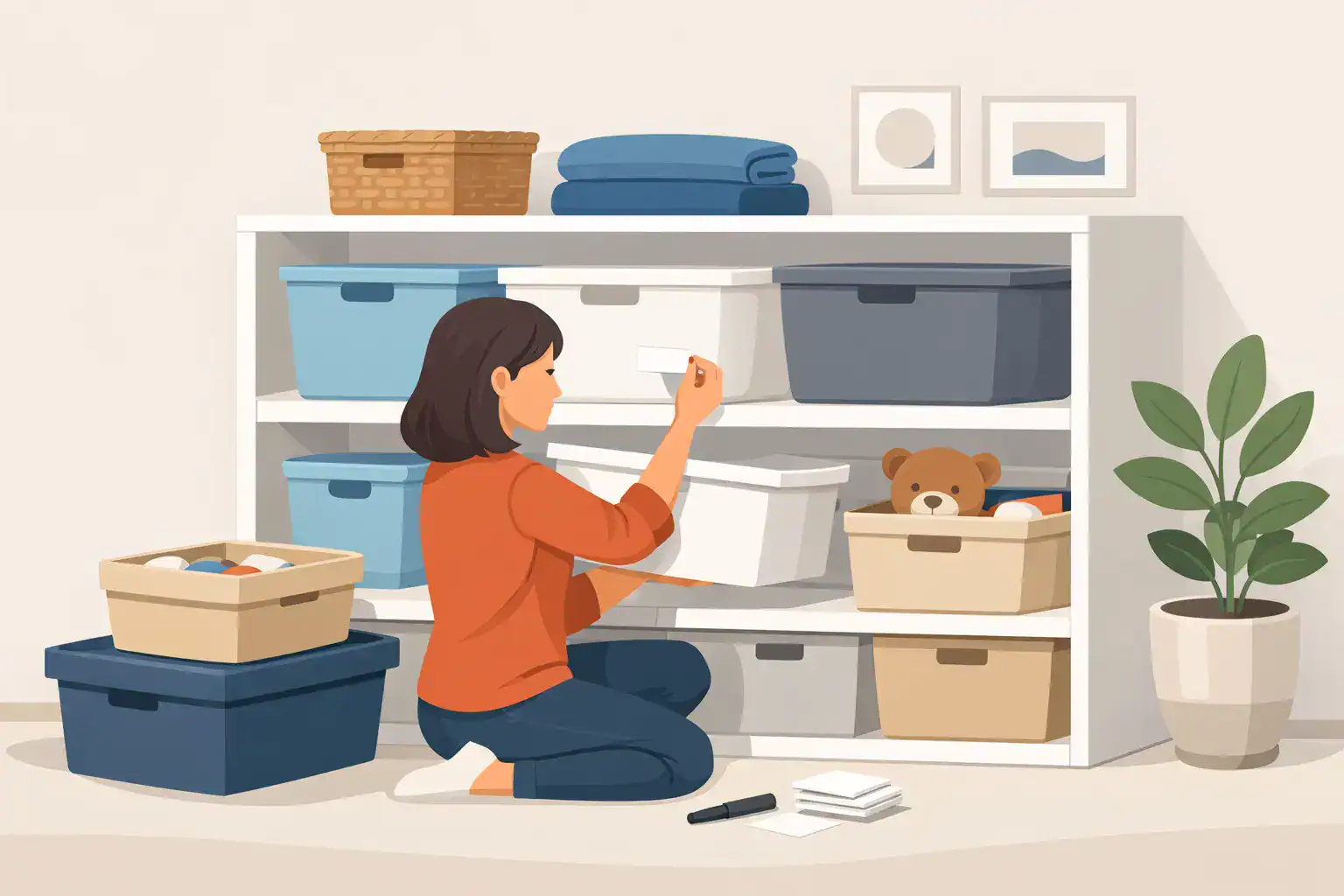
For most indoor bins, adhesive labels and a permanent marker are a straightforward choice. They are inexpensive, readable, and easy to replace when a category changes. Clear label tape is especially useful on transparent bins because it keeps the contents visible while giving the label a finished look.
Chalkboard labels work well for categories that change often, such as a kids’ craft bin, an incoming-mail basket, or a rotating pantry container. Just use a chalk marker rather than regular chalk if the bin will be moved around. Regular chalk can smudge onto hands, shelves, and nearby containers.
For wire baskets, fabric cubes, and open-top bins, clip-on tags or label holders are usually more reliable than stickers. Large plastic totes, especially those in garages, basements, attics, or storage closets, benefit from waterproof labels or a label maker with durable tape. The label should survive being pulled down, stacked, and wiped clean.
If you want a low-cost option, use painter’s tape while you are setting up the space. It is not a forever solution, but it is honest and flexible. Organization does not have to wait for matching containers or custom labels.
How to label storage bins so people can read them
Place the label where you naturally look first. For bins on a high shelf, put it on the front edge, not the lid. For deep drawers, label the top or use a tag that can be seen when the drawer opens. For stackable totes, label both the front and one side so you can identify them whether they are lined up or turned sideways.
Use large, simple words. “Batteries,” “First Aid,” “Pet Supplies,” and “Tax Papers 2025” are easier to scan than “Miscellaneous Household Electronics” or “Items for Medical Emergencies.” A label is a signpost, not a detailed inventory.
Try to keep the wording consistent within one area. If your pantry uses plural nouns, stick with “Pasta,” “Cereal,” “Baking,” and “Snacks.” If your closet labels begin with a use, try “Travel,” “Beach,” “Winter,” and “Donations.” Consistency makes a group of bins feel calmer even when the labels are handwritten.
Avoid cursive or tiny type, especially in shared spaces. A label that looks stylish but cannot be read from a step away does not do its job. Black text on a light background offers the clearest contrast for most rooms. For dark bins, choose white or light-colored labels with bold lettering.
Add details only where they prevent repeat confusion
Some bins need more than a category name. Seasonal décor, kids’ hand-me-downs, photo storage, and garage supplies can all benefit from a second line or a date. “Fall Décor – Porch” is more helpful than simply “Fall,” and “Size 4T-5T Summer” prevents a frustrating round of opening every clothing tote.
In a home office, label document bins by action or retention period: “To File,” “Current Receipts,” “Taxes 2025,” or “Keep Until 2028.” This makes paper easier to manage without turning every document into a filing project.
For opaque bins that hold a lot of different things, consider adding a short contents list inside the lid. You do not need to record every object. A few useful clues are enough: “Extension cords, power strips, outlet covers” or “Gift bags, tissue paper, ribbon.” The outside label tells you the category; the inside note gives you a quick refresher.
A photo label can help young children, nonreaders, or anyone setting up a shared craft room. Pair a simple picture with a word, such as a photo of blocks labeled “Blocks.” In a playroom, that makes cleanup more independent and reduces the need to explain the system over and over.
Make labels work in the rooms that get messy fastest
A few rooms tend to lose their systems faster because items move in and out constantly. In these spaces, labels should support everyday habits rather than add more rules.
Pantry and kitchen
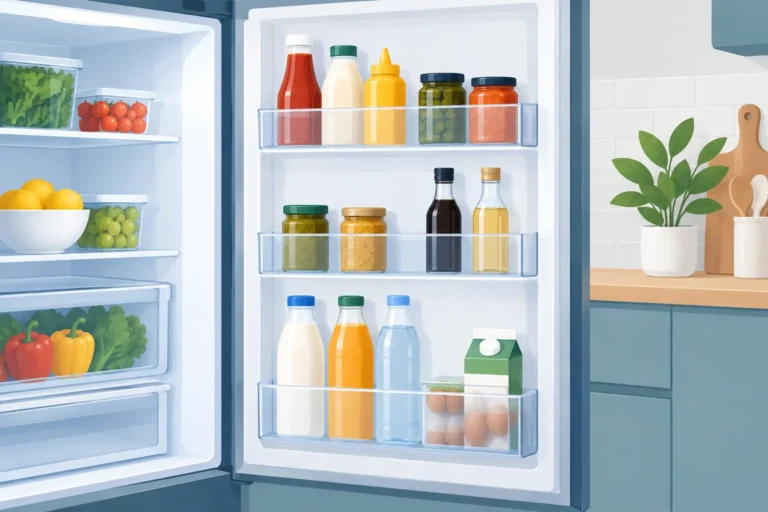
Label bins based on how food is used. “Lunchbox Snacks,” “Breakfast,” “Baking,” and “Dinner Helpers” are often more useful than labels based on food brands or package types. If several people shop for the household, labels also make it easier to see where groceries belong.
For decanted dry goods, label the container with the item name and, if helpful, the cooking time or expiration date. But do not feel obligated to decant everything. A bin labeled “Pasta” can hold boxes and bags just as effectively, with far less work.
Closets and bedrooms
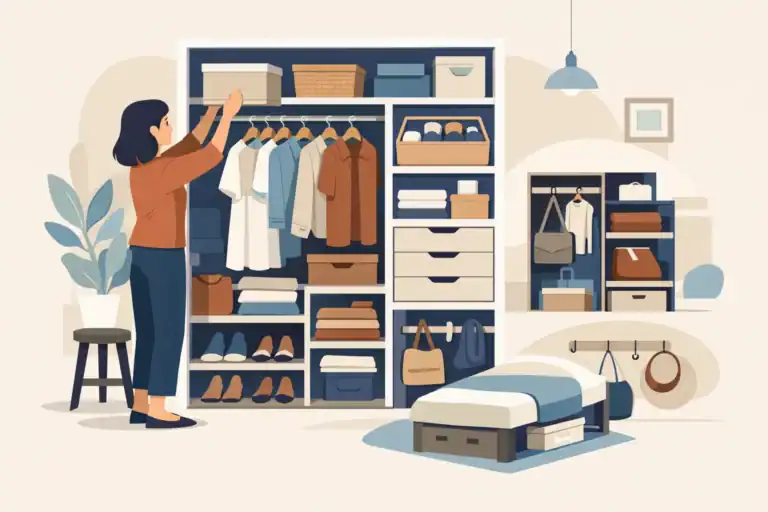
Use labels to reduce seasonal clutter and decision fatigue. Clothing bins can be labeled by season, size, or person, depending on what creates the most confusion in your home. In a linen closet, labels such as “Twin Sheets,” “Queen Sheets,” “Bath Towels,” and “Guest Towels” stop clean laundry from becoming a shelf-stuffing exercise.
For under-bed storage, attach a label to the handle or the side that faces outward. A label on top disappears the moment the bin slides under the frame.
Garage, basement, and utility spaces
These areas need labels that can be read quickly and hold up to rougher use. Use bigger text than you think you need, and label every tote on more than one side. Categories like “Car Care,” “Painting,” “Camping,” “Garden Tools,” and “Holiday Lights” are practical starting points.
Do not create a bin called “Miscellaneous” unless it is a very small, temporary holding spot. That label usually means the items need one more round of sorting. If you truly cannot decide where something belongs, make a clearly labeled “Decide Later” bin and revisit it within a month.
Keep the system flexible, not precious
Labels are supposed to make a home easier to run. When a bin changes jobs, change the label. When a category keeps overflowing, split it into two bins or move it to a bigger container. When a label is ignored, ask whether the wording is unclear or the bin is stored in the wrong place.
A quick reset once or twice a year is usually enough. Check for faded labels, bins that no longer match their contents, and categories that have quietly become clutter magnets. You are not failing if the system needs adjusting. Homes change with seasons, schedules, school years, hobbies, and the simple accumulation of daily life.
The most useful label is the one that helps you put something away without stopping to think. Start with the bins you open every week, make the words clear, and let the system earn its place in your home.