
How to Maximize Vertical Storage in Every Room: 8 Genius Tips
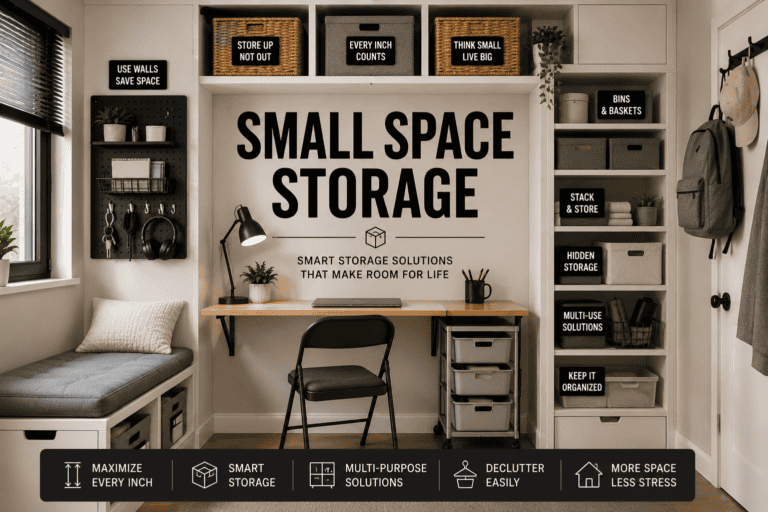
A packed closet, chaotic pantry, or bathroom counter covered in bottles often has the same root problem: the room is using only its floor-level storage. Learning how to maximize vertical storage helps you reclaim the empty wall space, cabinet height, and door backs you already have, without turning your home into a renovation project.
The goal is not to fill every inch from floor to ceiling. That can make a small room feel busier and make everyday items harder to reach. Instead, use vertical space to keep the things you use often accessible, move backups and occasional items higher up, and give clutter a clear place to land.
This post contains affiliate links. As an Amazon Associate, I earn from qualifying purchases at no extra cost to you. See our full disclosure here.
Use the right tool for the job
Vertical storage is not one product category. The best option depends on what you need to store, how much weight it carries, and whether you own or rent your home.
- Wall-mounted shelves work well for books, pantry staples, folded linens, and decor mixed with useful storage. Anchor them into studs or use hardware appropriate for the wall type and weight.
- Over-the-door organizers are practical for shoes, cleaning sprays, hair tools, snacks, and small bathroom supplies. Choose pocket depth based on the items, not just the number of pockets.
- Pegboards and rail systems keep tools, kitchen utensils, office supplies, and craft materials visible and adjustable. They are especially helpful when drawers are already packed.
- Stackable shelf risers and cabinet shelves create a second level inside cabinets and on pantry shelves. They are a low-commitment fix for wasted headroom.
- Tall, narrow shelving units use vertical height without taking over the floor. They can fit beside a refrigerator, washer, vanity, or desk where a wider cabinet cannot.
The trade-off is accessibility. A very tall shelving unit may hold more, but it is only useful if you can safely reach its upper levels. Keep a stable step stool nearby if necessary, but do not make daily essentials dependent on climbing.
Start by finding unused height
Before buying shelves or bins, take a quick look at the room from floor to ceiling. Notice the gap above cabinets, the empty wall beside a door, the inside of a closet door, and the vertical space between existing shelves. These overlooked areas are usually more useful than another large floor bin.
Measure before you shop. A shelf that looks slim online can block a doorway, and an over-the-door organizer can keep a closet door from closing if your shelves are already full. Measure width, depth, and height, then factor in clearance for doors, drawers, and walking paths.
It also helps to sort items by how often you use them. Everyday supplies should live between waist and eye level whenever possible. Less-frequent items, such as extra paper towels, seasonal serving dishes, or backup toiletries, can go on higher shelves. Heavy items belong lower down, even if there is room overhead.
How to maximize vertical storage without crowding a room
The most effective vertical storage systems are simple enough to maintain on a rushed weekday. Choose one type of storage for one problem rather than adding organizers everywhere at once. A few well-placed shelves and hooks will work harder than a wall full of mismatched containers.
Open shelving is useful when you can see and reach what is stored there. In a laundry room, it can hold detergent, stain remover, and folded towels. In a home office, it can keep binders, paper, and a small printer off the desk. Use matching bins or labeled baskets for loose supplies so the shelf does not become a visible catchall.
Closed storage is usually better for visually messy items: cleaning products, cables, craft supplies, kids’ school papers, and extra toiletries. A tall cabinet, wall-mounted cupboard, or covered basket can add capacity while keeping a room calmer. If you are working with a rental, look for freestanding narrow cabinets or adhesive options rated for the weight you plan to store.
Leave some blank wall space on purpose. Vertical storage should reduce visual noise, not create it. A good rule is to concentrate storage on one wall or in one zone rather than scattering shelves around the room.
Make kitchen and pantry storage work upward
Kitchens collect small items fast: spices, food containers, water bottles, wraps, snacks, and cleaning supplies. Start inside cabinets. Shelf risers can separate plates from bowls, while under-shelf baskets make use of the empty air beneath a solid shelf. Stackable clear bins can help group snacks or baking supplies, but avoid stacking them so high that you have to unbuild the system to grab one item.
In a pantry, reserve the easiest-to-reach shelves for breakfast foods, lunch supplies, and ingredients you use every week. Use higher shelves for serving platters, bulk purchases, and backup goods. A labeled bin is more realistic than a perfectly decanted pantry if your household buys different brands and package sizes regularly.
The space above upper cabinets can also hold infrequently used pieces, but only if the area stays clean and the items are contained. Lidded baskets are better than loose appliances or piles of paper goods, which can collect dust and look unfinished.
Turn closets into full-height storage zones
Most closets have one hanging rod and a lot of wasted height. Adding a second rod can double hanging space for shirts, skirts, folded pants, and kids’ clothes. Keep longer garments, such as dresses and coats, on one side so they are not crushed by the lower rod.
Use shelf dividers for stacks of sweaters and jeans, since unsupported piles tend to slump into each other. The top shelf is a good home for seasonal clothes, luggage, extra bedding, or memory items stored in clearly labeled bins. Avoid putting everything in opaque containers. If you cannot tell what is inside, you are more likely to buy duplicates or leave the bin untouched for years.
Door-mounted racks can hold shoes, accessories, or cleaning tools, depending on the closet. Just check the door swing first. In a shallow closet, bulky door storage may press into hanging clothes and create more frustration than it solves.
Add vertical storage in small bathrooms and laundry rooms
Bathrooms need storage that can handle tight quarters and moisture. A narrow cabinet over the toilet, a wall-mounted medicine cabinet, or shelves above the towel bar can hold extra toilet paper, skincare backups, and folded washcloths. Keep frequently used products at a reachable height, and avoid storing medications where heat and humidity can affect them.
In a laundry room, wall hooks can keep drying racks, ironing boards, and lint tools out of the way. Shelves above the washer and dryer are useful for detergent and baskets, but make sure you can access the controls and connections. If the machines shake, avoid placing breakable containers directly above them.
Do not forget garages, entryways, and workspaces
A garage becomes easier to use when the floor is reserved for cars, large equipment, and safe walking paths. Wall-mounted tracks, heavy-duty hooks, and tall shelving can lift bikes, tools, sports gear, and garden supplies. Store chemicals securely and away from children and pets, and never overload a rack just because it has open space.
In an entryway, vertical storage can be as simple as a row of sturdy hooks paired with a small shelf for keys and mail. Give each family member a hook or basket if coats and backpacks constantly end up on chairs. In a home office, add shelves above the desk for reference materials and use a pegboard or cable clips to keep cords from taking over the work surface.
Build in a reset that keeps it useful
Vertical storage fails when high shelves become a place to hide decisions. Once a month, take five minutes to return stray items, remove empty packaging, and make sure labels still match what is there. If one shelf repeatedly overflows, that is useful information: the category may need a larger home, fewer items, or a different location.
You do not need a picture-perfect wall of containers to make your home function better. Start with the one area where clutter slows you down most, use the height that is already available, and build a system you can actually keep up with.
About The Storage Society
We’re passionate about turning cluttered spaces into calm, functional ones — one room at a time. Every product we recommend is researched for real usefulness, not just trends. Read more on our About page.

One Comment
Comments are closed.