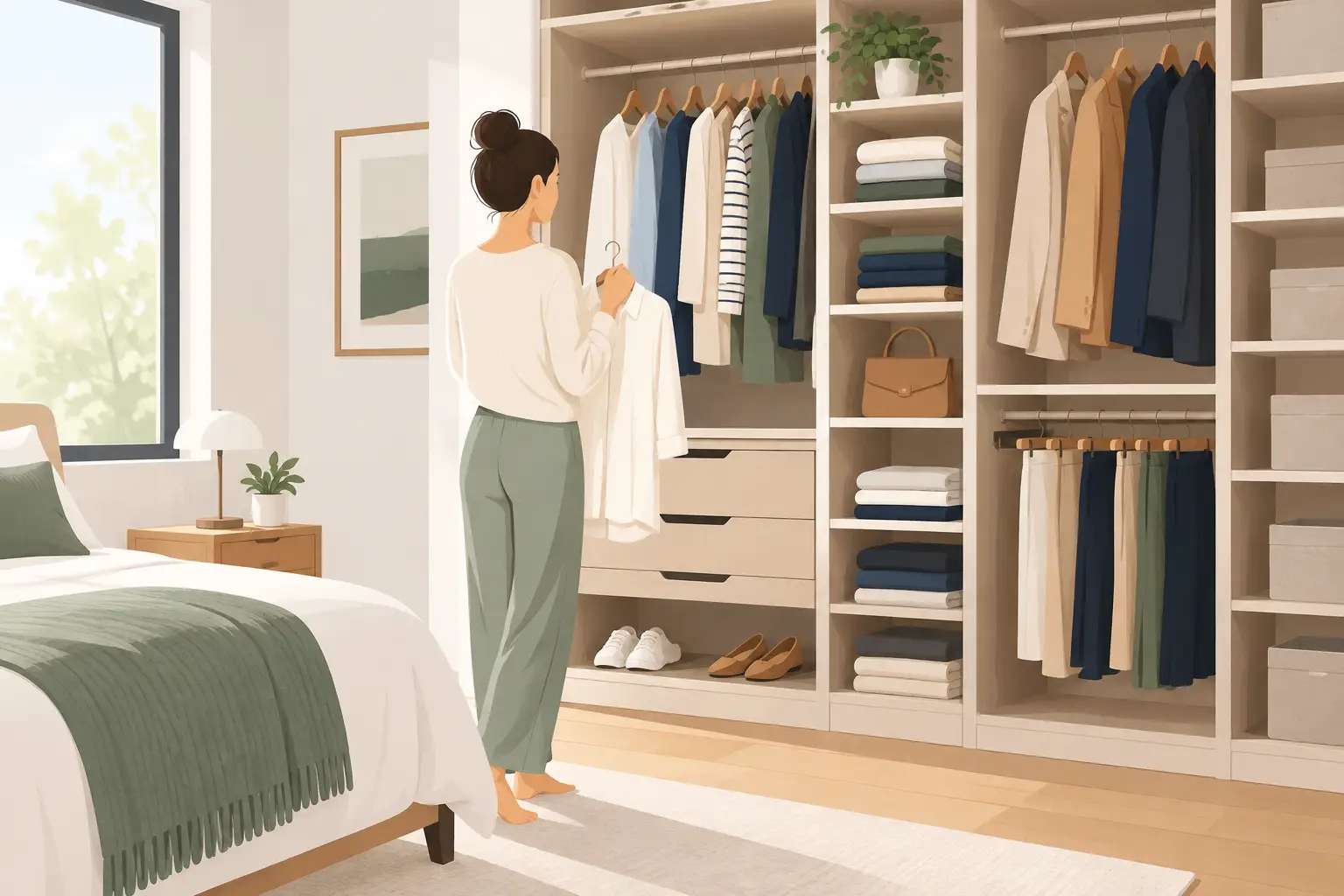
Closet Systems That Make Mornings Easier
A closet can look full even when it is not working very hard. Shirts get buried behind coats, shoes take over the floor, and the one bag you need for work somehow ends up under a pile of laundry. The right closet systems do more than make a space look tidy. They give every category a usable home, so getting dressed and putting things away takes less effort.
That does not mean every closet needs a custom build with glass drawers and matching velvet hangers. For many homes, a few well-planned shelves, a second hanging rod, and better use of the door can solve the daily frustration. The best setup is the one that fits your actual clothes, your routine, and the space you have.
Start With What Your Closet Needs to Hold
Before shopping for shelves or organizers, take a realistic inventory. This is the step that keeps a new system from becoming another crowded surface. Pull out the clothes, shoes, bags, and accessories that truly belong in the closet, then look at how much room each category needs.
Pay attention to the way you dress. Someone who wears blazers, dresses, and uniforms needs more hanging space than someone who lives in folded T-shirts and jeans. A family sharing a reach-in closet may need clearly separated zones. A small apartment closet might need to hold luggage, linens, or seasonal items because there is nowhere else for them to go.
Do not plan around an ideal version of your wardrobe. Plan around the items you reach for every week. If you own 18 pairs of shoes, a narrow shoe rack that holds six pairs will not fix the floor pile. If folded sweaters always end up on a chair, that is a sign you need a shelf or drawer solution that is easier to use than the chair.
Measure Before You Buy
Measure the inside width, depth, and height of the closet. Also measure around obstacles: baseboards, vents, angled ceilings, a hinged door, or a light fixture can affect what fits. Note the height of the existing hanging rod and the available wall space beside or above it.
Depth matters more than many shoppers expect. Most adult hangers need roughly 22 to 24 inches of depth to sit comfortably. In a shallow closet, bulky bins or deep drawer units can interfere with the door. A tape measure, a phone note, and a quick sketch are enough to prevent a frustrating return later.
Choose Closet Systems by Closet Type
There is no single best option. Closet systems range from simple add-ons to wall-mounted setups, and each makes sense in a different situation.
Adjustable wire systems
Wire shelving is widely available, budget-friendly, and useful for reach-in closets. It works especially well when you need more vertical storage fast, such as adding a top shelf, a shoe shelf, or double hanging space. Because the components are adjustable, it can also adapt as a child’s clothing changes or as a closet shifts from guest storage to everyday use.
The trade-off is that wire shelves can leave marks on soft sweaters and allow small items to tip over. Shelf liners, fabric bins, or clear handled bins can make them more practical. Choose sturdy brackets and install them into studs when possible, particularly for shelves holding books, shoes, or storage bins.
Freestanding closet organizers
Freestanding units are helpful for renters and anyone who does not want to drill into walls. These systems usually combine fabric drawers, open shelves, and hanging rods. They can make a basic closet more functional, and some work well in bedrooms without closets at all.
They are not always the best choice for a heavily used family closet. Lightweight frames can wobble or sag if overloaded, so check weight limits and use the included wall anchor when one is provided. Reserve fabric drawers for lighter items such as socks, workout clothes, and accessories rather than stacks of heavy denim.
Wall-mounted systems
Wall-mounted closet systems offer the most flexibility for an awkward or overstuffed closet. Vertical rails support movable shelves, rods, drawers, and baskets, allowing you to create zones that fit your wardrobe instead of forcing your wardrobe into a standard layout.
This option costs more and requires more careful installation, but it can be worth it in a primary bedroom closet or a shared family space. If you are renting, review your lease and consider whether you are comfortable patching holes when you move. For homeowners, a wall-mounted system can be a practical middle ground between basic shelving and a fully custom closet.
Modular cube and drawer units
Cube organizers and stackable drawers are a smart option for folded clothing, handbags, and accessories. They are particularly useful in closets with wide open floor space but very little shelving. Clear drawers make it easier to see what you own, while opaque bins can make a busy closet feel calmer.
Just avoid filling every open inch with containers. A system with too many small bins can create more sorting work than it saves. Use drawers for categories you can name quickly, such as pajamas, swimwear, belts, or winter hats. If a bin becomes “miscellaneous,” it needs a clearer job or it will become a clutter trap.
Build Around the Daily Reach Zone
The easiest items to access should live between knee and eye level. This is the daily reach zone, and it is prime real estate for the clothes, shoes, and bags you use most often. Keep special-occasion outfits, seasonal gear, and spare bedding higher up or farther back.
For hanging clothes, double hanging is one of the most effective space-saving moves. Use one rod for tops and another below it for pants, skirts, and shorter jackets. Keep a full-height section for dresses, long coats, and jumpsuits. Trying to double-hang a closet full of long garments usually creates a cramped lower rod that nobody wants to use.
Shoes deserve a specific plan because they are often the first thing to take over a closet floor. A low rack works for everyday sneakers and flats. Clear shoe boxes can protect less-used pairs while making them easy to identify. If floor space is tight, an over-the-door pocket organizer can hold lightweight shoes, accessories, or small clutches. It depends on the door and the item: heavy shoes can make a door organizer bulky and hard to close.
Add Small Tools Only Where They Solve a Problem
A complete system is not always necessary. Sometimes a closet already has decent shelves and rods but needs a few targeted tools to stop the mess from returning. Matching slim hangers can reduce visual clutter and create a little more rod space, but they will not solve an overcrowded wardrobe. Use them after you have edited what you no longer wear.
Shelf dividers are useful for keeping folded jeans, sweaters, and handbags from slumping into one another. Labeled bins make high shelves more useful for out-of-season items. Hooks on a side wall can hold a robe, tomorrow’s outfit, or a frequently used tote. A hamper near the closet can prevent worn clothes from landing on the floor, provided it is easy to reach and emptied regularly.
Be cautious with hanging shelf organizers. They can be helpful for lightweight folded clothes in a closet with one tall rod, but they often bow under heavy stacks. They also take up hanging space, so they are best for a small category rather than your entire wardrobe.
Set Up a System You Can Maintain
Even well-designed closet systems need a simple reset routine. When you bring home a new item, remove or relocate something that no longer earns its space. Put clean laundry away before it becomes a chair-sized pile. Spend five minutes once a week returning shoes, bags, and off-season layers to their zones.
Labels can help, especially in shared closets, but they should stay practical. “Gym clothes” is useful. “Athleisure essentials” is not necessary if nobody in the home will use that label. The goal is not a photo-ready closet. It is a setup that makes it obvious where things go when you are tired, late, or managing a busy household.
Your closet should make ordinary mornings feel less chaotic, not ask you to maintain a complicated display. Start with the category that creates the biggest daily headache, give it a better home, and let the rest of the system grow from there.