Plastic Bins vs Fabric Baskets for Every Room
A closet can look perfectly organized right after a reset, then become a frustrating pile of half-folded clothes two weeks later. Often, the problem is not your routine. It is the container. The plastic bins vs fabric baskets decision affects how easy it is to see, carry, clean, and put away the things that tend to create daily clutter.
Neither option is universally better. Plastic is usually the workhorse for messy, heavy, or long-term storage. Fabric is often the friendlier choice for open shelves and everyday items you want within reach. The best system may use both, based on the room and the job each container needs to do.
Plastic Bins vs Fabric Baskets: The Real Difference
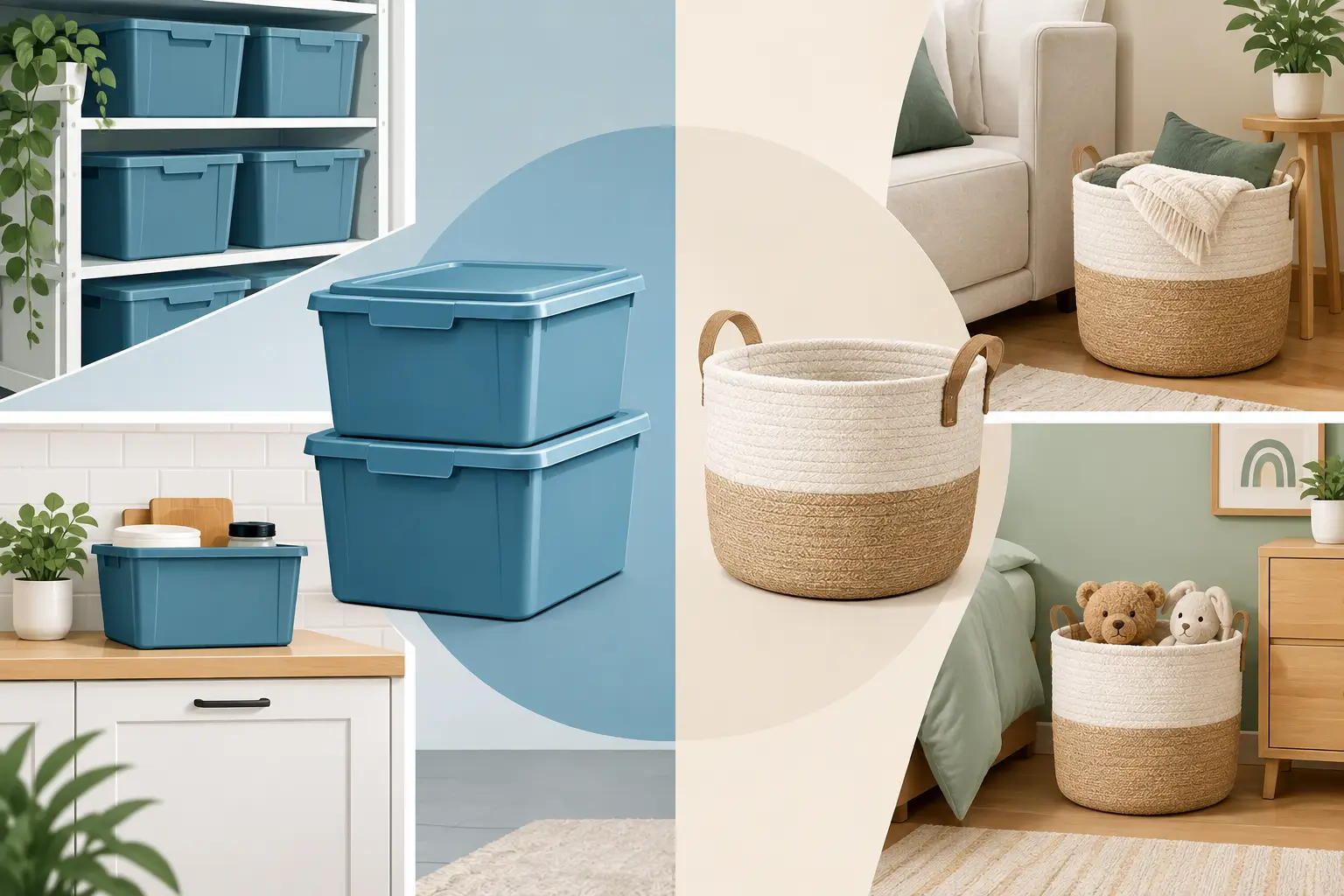
Plastic bins are structured, moisture-resistant containers that hold their shape whether they are full or nearly empty. Many have lids, stack securely, and wipe clean in seconds. That makes them useful in spaces where spills, dust, pests, or rough handling are realistic concerns.
Fabric baskets are lighter, softer, and usually more attractive in a room where storage stays visible. They can make a packed bookshelf, cube organizer, or closet shelf look calmer without making the space feel like a utility room. Many have handles and fold flat when not in use, though they offer less protection and can sag when overloaded.
Think about the container’s job before thinking about its look. A bin holding backup cleaning supplies under the sink needs very different qualities than a basket holding blankets beside the sofa. One protects contents from leaks and grime. The other helps a lived-in room feel less cluttered.
When Plastic Bins Make More Sense
Choose plastic when durability and protection matter more than appearance. Clear bins are especially useful when you need to find something quickly without opening several containers. Opaque bins work well for visual calm, as long as you add a simple label on the front.
Plastic is a practical choice for garages, basements, laundry rooms, utility closets, under-sink cabinets, and pantry shelves. These areas tend to deal with dirt, humidity, leaks, crumbs, and heavier supplies. A sturdy plastic bin can contain a bottle spill, keep loose packets together, and survive being pulled down from a high shelf one-handed.
Lidded bins also earn their place for seasonal storage. Holiday decor, winter accessories, baby clothes you are saving, camping gear, and off-season linens benefit from a barrier against dust and accidental spills. If you store items in a garage or basement, look for bins with secure-fitting lids rather than relying on an open tote.
Plastic is also better for awkward categories that do not fold neatly. Think extra cords, craft supplies, cleaning cloths, pet supplies, sports equipment, or a tangle of reusable grocery bags. These items can make fabric baskets lose their shape fast. A rigid bin keeps the category contained, even when the contents are not especially tidy.
The trade-off is that plastic can look bulky in a living room or bedroom, especially if you are mixing different colors and sizes. It is also less forgiving in tight cabinets. Measure the usable width, depth, and height before buying, including clearance needed to slide a bin out.
When Fabric Baskets Are the Better Fit
Fabric baskets work best when storage is part of the room’s furniture. They soften hard shelving, reduce visual noise, and make it easier to keep everyday essentials nearby without leaving them scattered on the floor or counter.
Use them in bedroom closets for socks, accessories, and lightweight folded items. In a nursery or family room, they are useful for toys, stuffed animals, board books, and blankets. In a home office, a small fabric basket can collect chargers, notebooks, or paperwork that needs a temporary home before you sort it.
They are particularly helpful in cube organizers. A shelf full of loose items can look chaotic quickly, while matching fabric bins create an easy drop zone for categories that are used often. You do not have to fold every T-shirt perfectly or line up every toy. The basket gives you a realistic boundary.
Fabric is not ideal for everything, though. It can absorb odors and stains, and many styles cannot be fully cleaned after a leak. Thin-sided baskets may buckle under heavy books, canned goods, bottles, or bulky bath products. If a basket will be moved frequently, check that its handles are stitched securely rather than simply cut into the fabric.
Match the Container to the Room
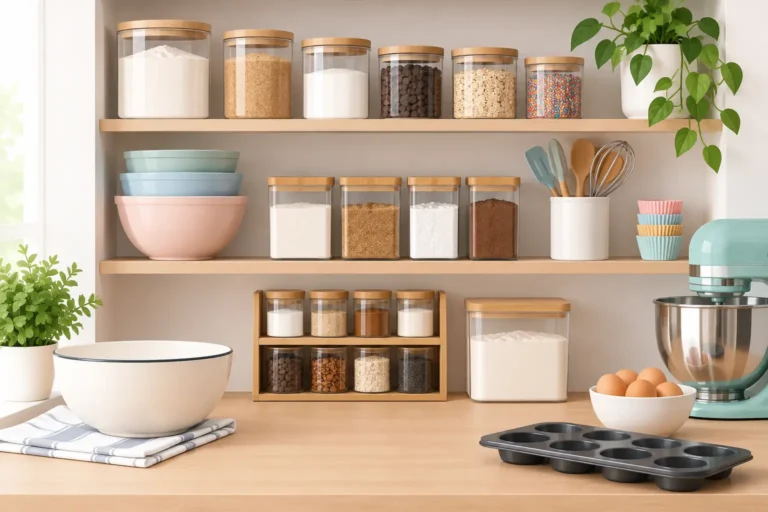
In the pantry, plastic usually wins. Clear, easy-to-wipe bins make it simpler to group snack bags, baking packets, breakfast items, and kid-friendly grab-and-go options. Fabric baskets can work on a dry, high shelf for lightweight items such as napkins or extra paper goods, but they are not a great match for possible food spills.
In bathrooms, lean toward plastic for under-sink storage, cleaning products, extra toiletries, and hair tools. Moisture is common, even in well-ventilated bathrooms. A washable bin is easier to maintain than fabric that can collect dust, hairspray residue, or dampness. A small fabric basket is fine on an open shelf for rolled washcloths or spare toilet paper if it stays dry.
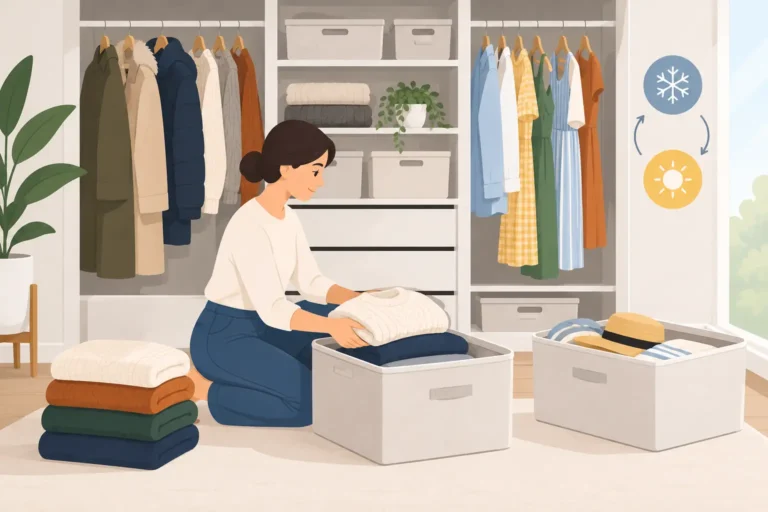
In closets, it depends on what you are storing. Plastic bins with lids are smart for off-season clothing, keepsakes, and items stored on the top shelf. Fabric baskets are better for the things you reach for every week, such as belts, workout clothes, scarves, pajamas, or handbags. If you cannot see your closet contents easily, use labels on both types.
In a living room, fabric usually feels more at home. A basket near the couch can hold throw blankets, magazines, or kids’ toys without making the room feel overly utilitarian. Plastic can still be the right answer inside a media console or behind cabinet doors, where it can corral remotes, gaming accessories, and cords without being on display.
For garages and storage areas, choose plastic nearly every time. These spaces call for stackability, pest resistance, and easy cleaning. Keep labels large and specific. “Holiday decor” is too broad if you own several bins. “Indoor ornaments,” “outdoor lights,” and “gift wrap” will save you time later.
Consider Weight, Access, and Your Actual Habits
A storage solution is only useful if people in your household can put things back. Heavy plastic bins become frustrating when they are packed too full or stored on a high shelf. Large containers are tempting, but smaller bins are often easier to lift, sort, and maintain.
Fabric baskets are easier to grab, but they can become catch-alls when their categories are vague. Give each basket one clear purpose. “Dog supplies” works if everything inside is related to feeding, walking, or grooming. “Random stuff” is a sign that the basket is hiding a decision you still need to make.
For shared spaces, open-top containers encourage quick cleanup. For long-term storage, lidded containers prevent slow clutter creep. A simple rule helps: use open storage for items that move in and out every week, and closed storage for items you need less often.
Avoid These Common Storage Mistakes
Do not buy containers before sorting the category. Bins and baskets cannot fix too many duplicates, expired products, or belongings that no longer fit your life. Edit first, then choose a container based on what remains.
Avoid using identical containers everywhere just for the sake of a matching look. A home works better when the storage matches the conditions of each space. Matching fabric baskets may look great in a linen closet, but clear plastic bins will usually work harder in a messy pantry or damp bathroom.
Finally, leave a little breathing room. A bin stuffed to the top is difficult to use, and an overflowing basket turns into another pile. Aim to fill containers about three-quarters full so there is room to see, sort, and return items without forcing the lid or digging through the whole category.
The right choice does not have to make your home look like a showroom. It should make Tuesday morning easier: snacks are easy to grab, laundry supplies stay together, and the blanket pile has somewhere to go when company is on the way.