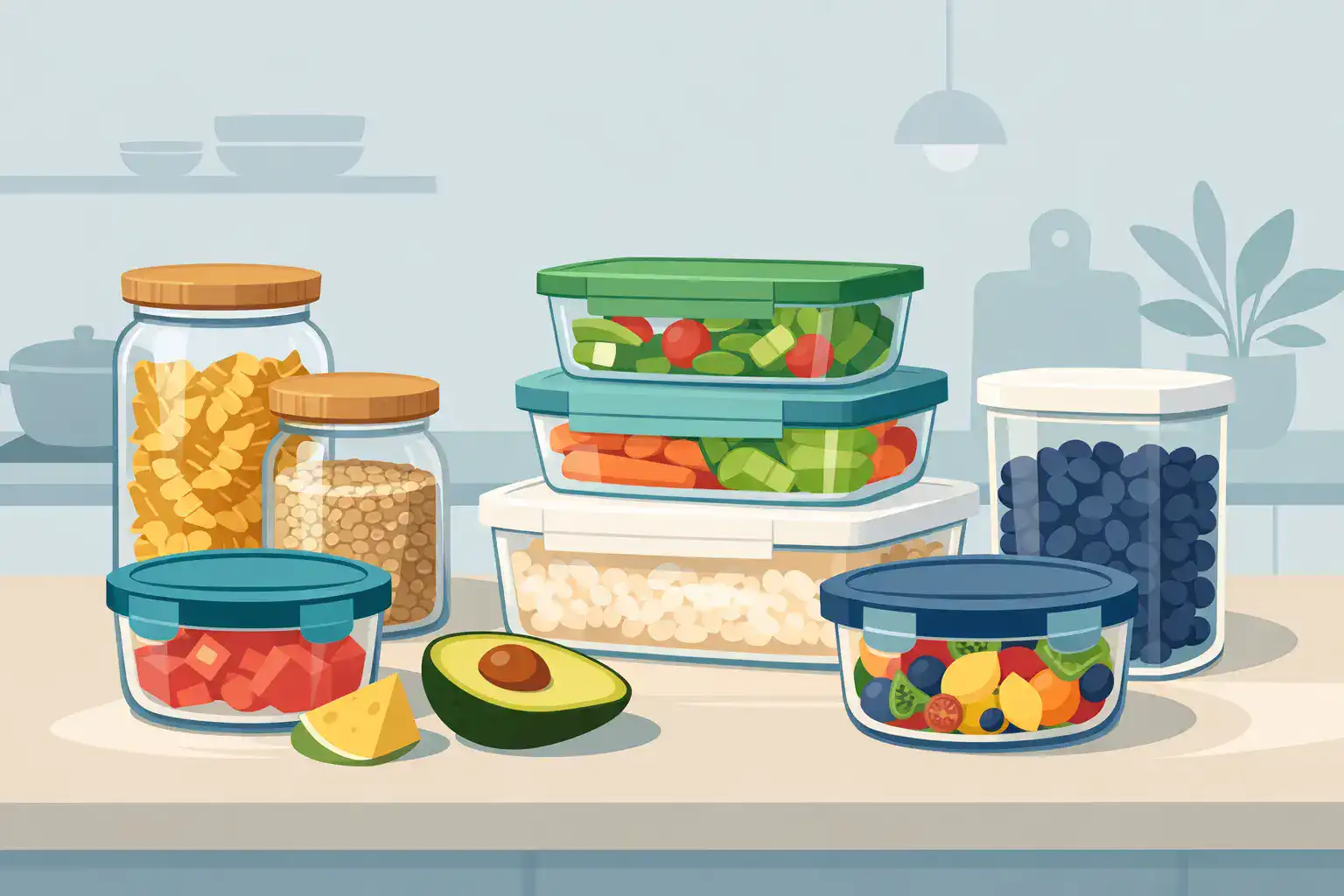
The 8 Best Food Storage Containers for Real Kitchens
That cabinet avalanche when you reach for one leftover container is not a personal failure. It is usually a sign that the containers do not match the way your kitchen actually works. The best food storage containers keep food fresh, stack without wasting shelf space, and make it easy to find the right size before a busy morning or tired weeknight.
For most homes, one giant matching set is not the answer. A realistic container setup uses a few dependable styles for different jobs: glass for reheating leftovers, lightweight plastic for lunches, clear containers for pantry staples, and a few specialty shapes where they genuinely make life easier.
That combination of freshness, stackability, and findability is what separates the best food storage containers from ones that just take up cabinet space.
This post contains affiliate links. As an Amazon Associate, I earn from qualifying purchases at no extra cost to you. See our full disclosure here.
The 8 Best Food Storage Containers for Everyday Use
1. Glass containers with snap-lock lids: best for leftovers
Glass containers are the workhorses for cooked meals, roasted vegetables, pasta, and anything you expect to reheat. They do not hold onto tomato sauce stains or lingering garlic smells the way plastic can, and many are safe for the refrigerator, freezer, microwave, and oven base. Pyrex is a popular choice because their pieces are widely available and easy to replace.
Choose rectangular or square shapes first. They use refrigerator and freezer space more efficiently than round bowls, especially when you stack several meals. Leak-resistant snap-lock lids are worth the extra cost if you pack lunches or store saucy foods, but check whether the lid has a removable gasket. A gasket improves the seal, yet it also needs occasional cleaning to prevent trapped residue.
The trade-off is weight. Glass is less convenient for kids’ lunches, crowded commuter bags, and high shelves where a dropped container could become a cleanup project.
2. Lightweight plastic containers: best for packed lunches
Good plastic containers still earn their cabinet space. They are lighter than glass, less breakable, and easier to hand to a child, take to the office, or carry in a cooler. Look for BPA-free plastic with clear bases, tight-fitting lids, and a shape that nests when empty. Rubbermaid Brilliance plastic and similar modular lines are especially useful when you want visibility without the bulk of glass.
Use plastic for cold snacks, sandwiches, cut fruit, dry lunch items, and leftovers that will be reheated on a plate instead. Even microwave-safe plastic can discolor or warp over time with oily, acidic foods. If your current collection is cloudy, scratched, or missing lids, it has done its job. Replace it rather than trying to organize around containers that no longer seal well.
3. Wide-mouth glass jars: best for pantry staples
Flour bags that slump over, cereal boxes that spill, and half-used bags of rice create a chaotic pantry fast. Wide-mouth glass jars give dry goods a clear, contained home and make it easier to see what you need before grocery shopping. They work well for oats, pasta, beans, baking supplies, coffee, snacks, and loose tea.
Mason jars are a practical starting point because they come in several sizes and replacement lids are easy to find. For frequently used items, choose wide mouths so measuring cups fit inside. Straight-sided jars also make better use of shelf depth than jars with curved shoulders.
Glass jars are not always the best choice for large bulk bags. A five-pound bag of flour or a family-size cereal box can make a jar heavy and awkward to lift. For those categories, a larger clear plastic canister may be the safer, simpler option.
4. Airtight pantry canisters: best for baking and bulk buying
Airtight canisters are the answer for foods that need protection from humidity, staleness, and pantry pests. They are particularly helpful for flour, sugar, brown sugar, cereal, crackers, pet treats, and dry baking ingredients. Clear, square-sided canisters are the most efficient because they stack neatly and let you check your supply at a glance.
OXO POP containers are a common favorite for this job because their one-button lid is easy to operate and their shapes are designed to stack. They are an investment, though. If you are organizing a pantry on a budget, start with the foods you use every week instead of decanting every item you own.
Before buying, measure your shelves and the food packages you want to store. A canister that looks perfect online can be too tall for a cabinet or too small for an entire bag. Leaving food in its original package inside a larger bin is sometimes more practical, especially for irregularly shaped snacks.
5. Small leakproof containers: best for sauces and snacks
The smallest containers often save the most frustration. A set of two- to eight-ounce containers handles salad dressing, hummus, berries, nuts, yogurt toppings, baby snacks, and leftover herbs. They stop you from filling a large container with one spoonful of pesto, and they make lunch packing much less messy.
Look for screw-top or snap-lock lids with a silicone seal. A simple press-on lid is fine for a handful of grapes, but it is a gamble for vinaigrette in a work bag. Keep these small containers together in one shallow drawer bin so they do not disappear behind larger bowls.
6. Divided meal-prep containers: best for grab-and-go meals
If weekday lunches tend to become expensive takeout, divided containers can make meal prep feel more manageable. They keep a main dish and sides separate without requiring three different containers, and they make portions easier to see when you are packing food quickly.
Two-compartment containers are more flexible than three-compartment versions for most adults. A three-section tray can be useful for snack-style lunches, but its fixed layout may not fit leftover soup, pasta, or a big salad. Choose a reusable version with a secure lid rather than thin disposable containers if you plan to use them every week.
7. Silicone food storage bags: best for freezer portions
Reusable silicone bags are handy for chopped fruit, smoothie ingredients, marinated chicken, shredded cheese, and small freezer portions. They lie flatter than rigid containers, which can reclaim a surprising amount of freezer space. Stand-up bags are easier to fill, while flat bags are better for stacking.
Their weak point is cleaning. Narrow bags can be annoying to wash and dry unless they open wide and have a sturdy base. They also cost more upfront than regular freezer bags. Use them for foods you freeze often, not as a guilt-inducing replacement for every disposable bag in the house.
8. Vented produce containers: best for reducing food waste
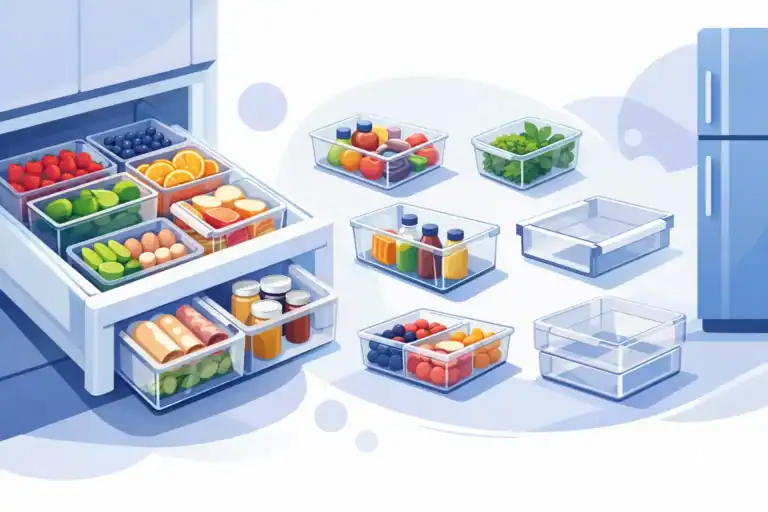
If produce gets forgotten in the crisper drawer, a few vented containers can help. These containers separate moisture from berries, grapes, greens, and chopped vegetables while making the contents visible when you open the refrigerator. That visibility matters more than a complicated system. Food you can see is food you are more likely to use.
Do not wash every fruit and vegetable before storing it. Some produce lasts longer when it stays dry until you are ready to eat it. For washed berries and greens, make sure they are thoroughly dry and use a paper towel where needed to absorb excess moisture. Follow the container’s ventilation guidance, but adjust based on what your household actually eats.
How to Choose Food Storage Containers That Fit Your Kitchen
Start with your most common friction point. If leftovers pile up in mismatched bowls, prioritize a glass set in two or three useful sizes. If your pantry is full of open bags, add airtight canisters or clear bins. If lunch packing creates a daily scramble, buy small leakproof containers and a few divided options.
Avoid buying a huge set just because it is on sale. Large sets often include several tiny pieces you never use, plus specialty shapes that are hard to stack. A better approach is to count the containers you reach for during a typical week, then replace those first with matching, nestable pieces.
Lid management matters as much as the containers themselves. Store lids vertically in a narrow bin, basket, or drawer divider instead of tossing them into the cabinet. Keep one container line per zone when possible. Matching bases and lids cuts down on the daily hunt and makes putting dishes away much faster.
A Simple Setup That Stays Organized
For a typical household, aim for a small, hardworking mix: glass rectangles for leftovers, lightweight plastic for lunches, small sealed cups for snacks and sauces, a few freezer bags, and pantry containers only where they solve a real problem. Keep the everyday pieces at eye level and move rarely used oversized containers to a higher shelf.
You do not need a picture-perfect cabinet to make your kitchen easier to use. Start with the containers that leak, stain, or never have a matching lid, then build a system around the meals and groceries your household already relies on. A calmer refrigerator and cabinet usually begin with fewer pieces, better shapes, and containers you are actually happy to reach for. Whichever pieces you choose, the best food storage containers are simply the ones you’ll actually reach for every week.
About The Storage Society
We’re passionate about turning cluttered spaces into calm, functional ones — one room at a time. Every product we recommend is researched for real usefulness, not just trends. Read more on our About page.
5 Comments
Comments are closed.